Wie Unternehmen ihre Storage-Kapazität erweitern können – ohne neue Hardware zu kaufen
Wie intelligentes Datenmanagement aktuelle IT-Lieferkettenprobleme löst
Viele Enterprise-IT-Abteilungen in Deutschland und Europa stehen derzeit vor einer strukturellen Herausforderung: Primäre Storage-Hardware wird teurer und schwerer verfügbar.
Der rasante Ausbau von KI-Infrastrukturen, GPU-Clustern und datenintensiven Anwendungen hat weltweit die Nachfrage nach Enterprise-SSDs, NVMe-Flash und High-Performance-Storage-Arrays stark erhöht. In vielen Fällen liegen die Lieferzeiten für neue Storage-Systeme inzwischen bei bis zu neun Monaten.
Für IT-Verantwortliche bedeutet das:
Das klassische Modell – bei Kapazitätsproblemen einfach neue Hardware zu kaufen – funktioniert zunehmend nicht mehr.
Stattdessen setzen viele Unternehmen auf intelligentes Datenmanagement, um vorhandene Storage-Ressourcen effizienter zu nutzen.
Cristie Data unterstützt Organisationen dabei mit Lösungen für Hierarchical Storage Management (HSM), S3-Object-Storage und Tape-Archivierung, die vorhandene Infrastruktur optimal auslasten und Investitionen in neue Hardware hinauszögern können.
Was ist Hierarchical Storage Management (HSM)?
Hierarchical Storage Management (HSM) ist eine intelligentes Datenmanagement-Strategie, bei der Daten automatisch zwischen verschiedenen Storage-Ebenen verschoben werden – abhängig davon, wie häufig sie genutzt werden.
Dabei wird die sogenannte „Datentemperatur“ analysiert:
- Hot Data – häufig genutzte Daten
- Warm Data – gelegentlich genutzte Daten
- Cold Data – selten oder nie genutzte Daten
Ein modernes HSM-System stellt sicher, dass teurer Hochleistungs-Storage nur für aktive Workloads genutzt wird, während inaktive Daten auf kostengünstigere Speicherstufen verschoben werden.
Typische Storage-Ebenen sind:
- NVMe- oder SSD-Primärspeicher
- S3-Object-Storage
- Tape-Archivsysteme (z. B. LTO)
Damit können Unternehmen Storage-Kosten reduzieren und gleichzeitig Performance verbessern.
Das versteckte Problem im Enterprise Storage
In vielen Unternehmensumgebungen wächst der Storage-Bedarf kontinuierlich – obwohl ein Großteil der Daten kaum noch genutzt wird.
Studien zeigen, dass bis zu 80 % aller Unternehmensdaten bereits nach 30 Tagen inaktiv sind.
Trotzdem verbleiben diese Daten häufig auf teurem Tier-1- oder Tier-0-Storage.
Das führt zu mehreren Problemen:
- teure Flash-Kapazität wird verschwendet
- Backup-Fenster werden länger
- Storage-Kosten steigen unnötig
- Performance aktiver Systeme sinkt
- höheres Lizenzvolumen für Backup notwendig
Die Lösung besteht darin, Daten automatisch auf die passende Storage-Ebene zu verschieben.
Eine moderne Drei-Tier-Storage-Architektur
Eine moderne Enterprise-Storage-Strategie basiert meist auf drei Storage-Tiers.
Tier 1 – Primärspeicher (SSD / NVMe)
Primärspeicher sollte ausschließlich für aktive Daten verwendet werden.
Typische Beispiele:
- Datenbanken
- virtuelle Maschinen
- transaktionale Anwendungen
- häufig genutzte Projektdateien
Diese Workloads benötigen geringe Latenz und hohe I/O-Performance.
Tier 2 – Object Storage (S3)
Die zweite Ebene speichert sogenannte Warm Data.
Beispiele:
- Projektarchive
- Log-Dateien
- historische Reports
- Engineering-Daten
S3-kompatibler Object Storage ermöglicht nahezu unbegrenzte Skalierbarkeit bei kontrollierbaren Kosten. Das S3-Ziel kann On-Premise, in einer Private Cloud oder in der Public Cloud bereitgestellt werden.
Tier 3 – Archivspeicher (Tape)
Die Archiv-Ebene speichert Cold Data oder langfristige Datenbestände.
Typische Beispiele:
- Compliance-Archive
- medizinische oder wissenschaftliche Daten
- Finanzunterlagen
- langfristige Datensicherungen
Hier stehen Kosten und Haltbarkeit im Vordergrund – nicht Geschwindigkeit.
LTO-Tape-Technologie bietet hier das beste Kosten-pro-Terabyte-Verhältnis.
Und wenn es gänzlich ohne Strom sein soll, dann sprechen Sie uns auch hierzu an.
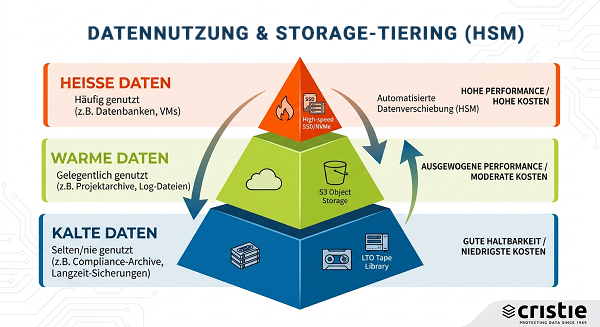
Image 1: Die Datennutzung bestimmt die Storage-Ebene im intelligenten Datenmanagement
S3-Object-Storage als „Druckventil“ für Storage-Kapazität
Object Storage kann als flexible Zwischenebene dienen, wenn Primär-Storage an seine Kapazitätsgrenzen stößt.
Da S3-Storage nutzungsbasiert abgerechnet wird und praktisch unbegrenzt skalierbar ist, eignet er sich ideal als Erweiterung bestehender Storage-Infrastruktur.
Typische Lifecycle-Policies sind zum Beispiel:
- Dateien nach 60 Tagen Inaktivität in S3 Standard-IA verschieben
- nach weiteren 90 Tagen automatisch in Glacier-Storage archivieren
Solche automatisierten Policies können Storage-Kosten deutlich reduzieren.
Warum Tape-Storage ein Comeback erlebt
Während Cloud-Storage flexibel ist, bleibt Tape-Storage die kostengünstigste Archivlösung.
Moderne LTO-Systeme bieten:
- extrem niedrige Kosten pro Terabyte
- lange Haltbarkeit
- hohe Datensicherheit
Gerade in Zeiten von Hardware-Engpässen ist Tape häufig schneller verfügbar und günstiger als große Disk-Arrays.
Air-Gap-Storage als Schutz vor Ransomware
Ein entscheidender Vorteil von Tape ist der sogenannte Air-Gap-Schutz.
Wenn ein Tape-Medium aus dem Library-System entfernt und offline gelagert wird, ist es physisch vom Netzwerk getrennt.
Damit kann Ransomware diese Daten nicht erreichen oder verschlüsseln.
Air-Gap-Storage gilt daher als eine der effektivsten Schutzmaßnahmen gegen Cyberangriffe.

Image 2: Der physische Air-Gap trennt Daten vom Netzwerk und schützt vor Ransomware
S3-to-Tape Gateways: Cloud-Architektur mit Tape-Archiv
Moderne Storage-Gateways ermöglichen es, Tape-Libraries als S3-kompatible Storage-Endpoints bereitzustellen.
Für Anwendungen sieht das System dann wie ein normaler Cloud-Bucket aus – tatsächlich werden die Daten jedoch direkt auf Tape gespeichert.
Die Vorteile:
- Cloud-kompatible Architektur
- planbare langfristige Storage-Kosten
- Datenhoheit im eigenen Rechenzentrum
- hohe Cyber-Resilienz
Strategische Archivierung für Compliance und Langzeitaufbewahrung
Viele Organisationen müssen Daten über lange Zeiträume aufbewahren.
Typische Beispiele:
- Finanzdaten
- Gesundheitsdaten
- Forschungsdaten
- gesetzliche Archivpflichten
Tape-Archivierung ermöglicht es Unternehmen, Compliance-Anforderungen zu erfüllen und gleichzeitig Primär-Storage zu entlasten.
Vorteile intelligenter Storage-Tiering-Strategien
Die Einführung einer mehrstufigen Storage-Architektur bietet mehrere Vorteile.
Geringere Investitionskosten
Durch das Verschieben inaktiver Daten können Hardware-Upgrades hinausgezögert werden.
Schnellere Backups
Kleinere Primär-Datasets verkürzen Backup-Fenster erheblich. Eine dadurch reduzierte Backuplizenz spart kosten.
Höhere Performance
Wenn nur aktive Daten auf Primär-Storage liegen, verbessert sich die Systemleistung deutlich.
Wie können Unternehmen Storage-Kapazität ohne neue Hardware erweitern?
Die effektivste Methode besteht darin, inaktive Daten automatisch auf kostengünstigere Storage-Tiers wie Object Storage oder Tape zu verschieben.
Dadurch wird wertvolle Primär-Storage-Kapazität freigegeben, ohne dass neue Hardware angeschafft werden muss.
Mit automatisierten Tiering-Policies können Unternehmen ihr Datenwachstum effizienter verwalten und gleichzeitig Infrastrukturkosten reduzieren.
Wichtigste Erkenntnisse
- Bis zu 80 % der Unternehmensdaten sind inaktiv
- Hierarchical Storage Management verschiebt Daten automatisch zwischen Storage-Tiers
- S3-Object-Storage bietet flexible Erweiterungskapazität
- Tape bleibt die kosteneffizienteste Archivlösung
- Intelligentes Tiering reduziert Hardware-Investitionen
Kernleistungen, auf die Unternehmen bei einer Cyber-Versicherung achten sollten
Finanzieller Schutz bei Cyberangriffen
Die Versicherung deckt unter anderem Kosten für Betriebsunterbrechung, Datenwiederherstellung, Lösegeldforderungen* und IT-Wiederanlauf ab – ein entscheidender Faktor, um nach einem Angriff schnell wieder arbeitsfähig zu sein.
*Die Abdeckung von Lösegeldforderungen können abhängig von Unternehmensgrößen (Umsätze) aufgestellt sein.
Unterstützung bei Incident Response und Forensik
Beim Abschluss einer modernen Cyber-Versicherungspolice sollten Sie sicherstellen, dass der Versicherungsplan einen 24/7-Notfalldienst zur Reaktion auf Vorfälle (Incident Response) beinhaltet, der forensische Untersuchungen, die Eindämmung des Angriffs und eine Ursachenanalyse durch Cybersicherheitsexperten abdeckt.
Cristie Data bietet Ihnen sowohl einen Sofort-Hilfe-Service zur Reaktion auf Vorfälle als auch vollständig ausgelagerte Sicherheitsdienste in Kombination mit einer Cyber-Versicherungspolice für umfassenden Schutz und Sicherheit.
Rechtsberatung, PR- und Krisenmanagement
Viele Anbieter stellen juristische Expertise, PR-Beratung und Krisenkommunikation bereit, um Imageschäden zu minimieren und das Vertrauen von Kunden, Partnern und Investoren zu erhalten.
Abdeckung bei Betriebsunterbrechungen
Wenn zentrale Systeme ausfallen und der Betrieb stillsteht, ersetzt die Versicherung entgangene Umsätze und zusätzliche Betriebskosten.
First-Party vs. Third-Party Versicherungsschutz
- First-Party: Schutz vor direkten Schäden, etwa Datenverlust, Systemwiederherstellung, Ausfallzeiten.
- Third-Party: Schutz vor Ansprüchen Dritter (Kunden, Partner, Aufsichtsbehörden) infolge eines Vorfalls.
Ransomware und Datenleck-Abdeckung
Leistungen umfassen etwa Kosten für Lösegeldverhandlungen, Wiederherstellung verschlüsselter Daten, Kommunikation mit Behörden und Benachrichtigungspflichten gegenüber Betroffenen.
Rechtskosten und Bußgelder
Versicherer übernehmen häufig Anwaltskosten sowie Strafen im Rahmen der DSGVO, sofern keine grobe Fahrlässigkeit vorliegt.
Systemwiederherstellung und Datenrekonstruktion
Die Rücksicherung verlorener oder verschlüsselter Daten kann teuer werden – die Versicherung entlastet Sie hierbei finanziell.
Zusätzliche Vorteile, auf die Unternehmen bei einer Cyber-Versicherung achten sollten
Einige Versicherungsanbieter ermöglichen es Ihnen, Ihren Versicherungsschutz gezielt durch Zusatzmodule zu erweitern, die den Schutz individuell auf Ihr Unternehmen zuschneiden. Beispiele für zusätzliche Leistungsbausteine sind:
Versicherungsmodul | Abdeckung |
| Bring Your Own Device (BYOD) | Schützt auch private Daten bei Nutzung privater Geräte im Unternehmenskontext. |
| 2-fache Jahresmaximierung | Stellt die vereinbarte maximale Versicherungssumme bis zu zweimal im Jahr zur Verfügung. |
| Personenschäden | Abdeckung jeglicher gesundheitlicher Folgen von Cyber-Vorfällen. |
| Neuwertdeckung für IT-Hardware | Ersetzt Geräte zum Neuwert unabhängig vom Alter der Technik. |
So senken Sie Ihre Cyber-Versicherungsprämie effektiv
Versicherer analysieren Ihre IT-Sicherheitslage sehr genau. Eine starke Cyber-Security-Strategie wirkt sich direkt positiv auf Ihre Prämie aus.
1 IT-Sicherheitsmaßnahmen konsequent umsetzen
Moderne Firewalls, EDR-Lösungen, Intrusion Detection Systeme und Härtung der Systemkonfiguration bilden die Grundlage einer resilienten Infrastruktur.
2 Zusammenarbeit mit MDR-Partnern
Cristie Data bietet mit seinen Partnern rund um die Uhr Managed Detection & Response. Diese Leistung verbessert Ihre Sicherheitslage signifikant – und kann Ihre Versicherungsprämie spürbar senken. Arctic Wolf Incident Response Jumpstart Retainer beispielsweise ist ein fundamentaler Bestandteil unseres Cyber-Resilienz-Pakets und trägt zu einer reduzierten jährlichen Versicherungsprämie bei.
3 Regelmäßige Risikoanalysen und Schwachstellen-Scans
Zeigen Sie Versicherern, dass Sie proaktiv Risiken erkennen und beheben. Das verbessert Ihre Risikobewertung erheblich.
4 Mitarbeiterschulungen zur IT-Sicherheit
Viele Angriffe beginnen mit einem Klick auf eine Phishing-Mail. Schulungen verringern dieses Risiko und stärken Ihre menschliche Verteidigungslinie.
5 Einsatz von modernen Backup- und Wiederherstellungslösungen
Moderne Datensicherungs-Lösungen bieten Backup- und Ransomware-Schutz mit schnellen Wiederherstellungszeiten – ein wichtiger Faktor für Versicherer bei der Risikobewertung.
6 Multi-Faktor-Authentifizierung (MFA) und Netzsegmentierung einführen
MFA schützt kritische Systeme vor unbefugtem Zugriff, während Netzsegmentierung die Ausbreitung eines Angriffs erschwert.
7 Notfall- und Incident-Response-Plan dokumentieren
Ein getesteter Krisenreaktionsplan zeigt, dass Sie vorbereitet sind – und senkt nachweislich Ihre Prämie. Ein robuster Vorfallsreaktionsplan ist der Ausgangspunkt und eine fundamentale Komponente des Incident Response Jumpstart Retainer, den wir über Arctic Wolf anbieten.
Die Rolle von Cristie Data bei der Unterstützung niedrigerer Cyber-Versicherungsprämien
Cristie Data unterstützt Unternehmen in Deutschland und darüber hinaus durch die Bereitstellung von IT-Infrastrukturlösungen, die die Resilienz stärken und das Cyber-Versicherungsrisiko senken. Wir arbeiten mit führenden Versicherungsanbietern zusammen, um unseren Kunden erstklassigen Cyber-Versicherungsschutz zu bieten. Dieser berücksichtigt gezielt die einzelnen Cyber-Resilienz-Lösungen, die unsere Kunden zum Schutz ihrer geschäftskritischen Daten und zur Stärkung ihrer Cybersicherheitsstrategie gewählt haben.
READY by Cristie – das Komplettpaket für Resilienz
READY by Cristie kombiniert Software, Hardware und Services in einem flexiblen Abo-Modell – inklusive regelmäßiger Updates, Support und Sicherheitsfeatures. Das spart Kosten und stärkt Ihre Position gegenüber Versicherern.
Cybersecurity-as-a-Service
Cristie bietet 24/7 Security Operations Center (SOC), Schwachstellenmanagement und Bedrohungserkennung – vollständig gemanagt von Experten, integriert über Cristie Data.
Zeitgemäßes Backup & Recovery
Moderne Datensicherungslösungen ermöglichen unveränderbare Backups, schnelle Wiederherstellung und sichere Archivierung – alles bereitgestellt von Cristie Data.
Langzeit-Backup mit Tape
Für Offline-Sicherung und langfristige Archivierung bietet Cristie mit GigaStream und anderen Library-Herstellern robuste, skalierbare Tape-Lösungen – eine wichtige Schutzmaßnahme gegen Ransomware.
Häufig gestellte Fragen (FAQ).
Was ist Hierarchical Storage Management?
Hierarchical Storage Management ist ein System, das Daten automatisch zwischen verschiedenen Storage-Ebenen verschiebt – abhängig davon, wie häufig sie genutzt werden.
Warum sind inaktive Daten ein Problem für Storage-Systeme?
Inaktive Daten belegen teuren Primär-Storage und verlängern Backup-Zeiten, obwohl sie selten benötigt werden.
Warum wird Tape im Enterprise-Storage weiterhin eingesetzt?
Tape bietet die niedrigsten Storage-Kosten pro Terabyte und schützt Daten durch physische Air-Gap-Isolation vor Ransomware.
Wie können Unternehmen Storage-Kosten reduzieren?
Durch automatisches Daten-Tiering, das selten genutzte Daten auf kostengünstige Storage-Systeme verschiebt.
Fazit: Storage-Infrastruktur effizienter nutzen mit intelligentes Datenmanagement
In Zeiten unsicherer Hardware-Lieferketten wird intelligentes Datenmanagement immer wichtiger.
Mit modernen Tiering-Strategien können Unternehmen ihre bestehende Storage-Infrastruktur effizienter nutzen und gleichzeitig Kosten reduzieren.
Cristie Data unterstützt Organisationen in Deutschland und Europa mit Lösungen für S3-Object-Storage, LTO-Tape-Archivierung und S3-to-Tape-Gateways, die vorhandene Hardware optimal nutzen und langfristige Storage-Strategien ermöglichen.